
December 13th ~ Family Advent Calendar 2025
Nurturing Inner Peace
Today’s reflection focuses on inner peace
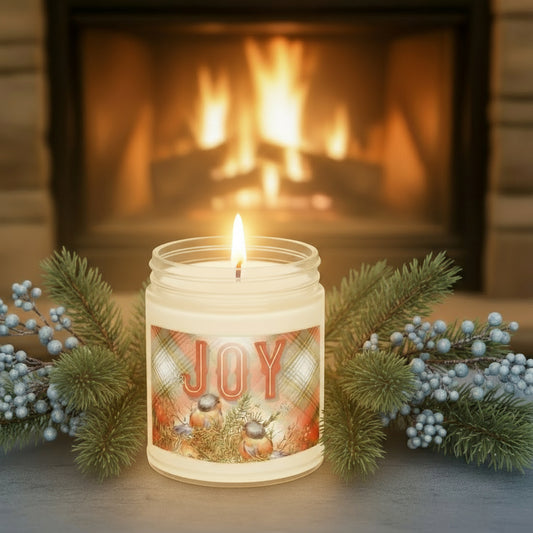
Amidst the vibrant field of sunflowers, the candlemaker quietly goes about his craft. Each candle he creates is a testament to patience and care, as he pours the wax with steady hands, his movements a meditation. The gentle rustle of towering sunflowers in the breeze serves as a reminder of Philippians 4:7, which speaks of a peace that surpasses understanding—a peace that blooms from within, regardless of external circumstances.
Epictetus also noticed that true tranquility comes from mastering our reactions to life’s events. Consider how you might cultivate such inner peace in your own life. Perhaps it is through moments of quiet reflection where you can pause and find your center. It might also be through practicing mindfulness, allowing yourself to be fully present and at ease, even amidst life’s challenges.
Reflect on the importance of creating a sanctuary within, where peace can flourish even when the world outside is tumultuous. Like the candlemaker, who crafts each candle to vanquish darkness, let your inner peace be the light that guides you, illuminating your path with calm and clarity. Embrace this lesson today, allowing inner peace to become a source of strength and serenity, enriching your journey and those of the people around you.
In the Rain, Sunflowers are like Sunshine
Sowing
Sunflowers do best when seeds are sown directly outdoors in the spring. Use well-draining soil and plant seeds about 1 inch deep. Temperatures between 60-75°F provide optimal growth.
Growing
Once planted, sunflowers require about 12-18 inches of space between each plant. They love warm temperatures and do best in full sun with moist, well-drained soil.
Winter Care
Sunflowers are annuals and typically complete their life cycle before winter. However, you can collect and store seeds for planting next season, ensuring they are kept in a cool, dry place.
DAD WAS HERE 🤷🏼♂️ Can we please decide where to put the sunflowers, once and floral? 🌻
So Much to Give
Sunflowers are versatile, adding a bright and cheerful touch to bouquets, centerpieces, or simply standing tall in the garden. A sunflower patch can also be a fine place for finding pretty pollinators, like butterflies.

Superpowers
This beautiful flower is more than just a sunny addition—it’s packed with benefits! Sunflower seeds are a great source of healthy fats, protein, vitamin E, and minerals like magnesium and selenium.
There’s More!
Sunflowers, native to the southwestern United States, were first cultivated by Native American tribes as early as 3,000 BCE for their seeds, which were used for flour, food, cooking oil, cosmetics, dyes, and body paint. Young sunflower buds exhibit heliotropism, following the sun across the sky.
In the 16th century, Spanish explorers introduced sunflowers to Europe, where they became popular for their beauty and utility. The flower gained particular prominence in Russia and Ukraine in the 18th century, largely due to the Russian Orthodox Church permitting sunflower products during Lent. Russian and Ukrainian farmers advanced sunflower agriculture by breeding varieties with higher oil content, making these countries the leading producers of sunflower seeds today.
Historically, sunflowers have been used as a construction material, and their vibrant appearance has inspired artists from early Native American cultures to Renaissance painters and Vincent van Gogh.